








Chile
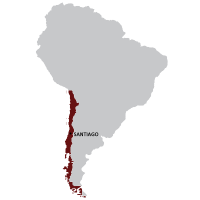
Old or New World wine-producing country? Its first grapevines were planted as early as the 1500s. European immigrants brought more varieties, particularly from Bordeaux, to Chile in the 1800s. Until the 1990s, most of the country’s wine was consumed locally. As Chilean winemakers started exporting more wine, the world noticed both the quality and value of Chile wines.
With 4,300 kilometers of coastline along the Pacific Ocean, Chile produces wines that are both fruit-forward factor and herbaceous.
Cabernet Sauvignon might be Chile’s most important red variety, but Carmenere is the country’s niche grape. 98% of the world’s Carmenere is grown there. As for white wines, Sauvignon blanc has become increasingly popular.
Viña Almaviva
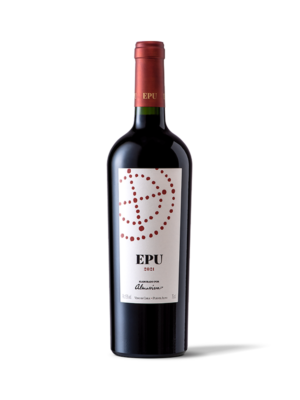
In 1997, Baron Philippe de Rothschild and Viña Concha y Toro, sealed a partnership agreement with a view to create an exceptional wine called Almaviva in Alto Maipo, Chile.
The project gives rise to fine Chilean wines that benefit from a rich French winemaking know-how and the unique expression of this Central Valley terroir.
The first vintage achieved immediate international success upon its launch in 1998.
The name Almaviva, though it has a Hispanic sonority, belongs to classical French literature: Count Almaviva is the hero of The Marriage of Figaro, the famous play by Beaumarchais (1732-1799), later turned into an opera by Mozart.























Reviews
There are no reviews yet.